
Our Work
The Rights Advocacy Project challenges unfair laws and practices and advocates for creative, evidence-based solutions.
Our work is movement-led. We listen to communities affected by the laws we seek to reform. Our projects emphasise the urgent need to move away from our current colonial legal system towards one that reduces harm and respects human rights.
Our projects are developed from an anti-colonial, abolitionist, anti-racist, decarceral, and equality framework.
Projects
-
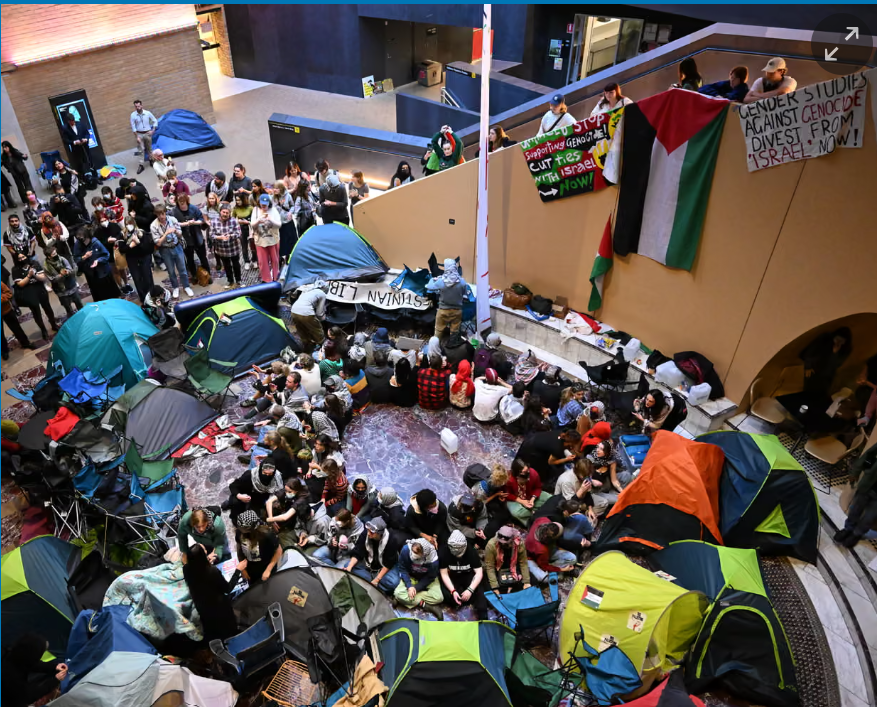
Campus Control: Power, surveillance and disciplining of protest in Victoria’s universities
This report examines how university policies, surveillance practices and disciplinary processes are being used to restrict protest, expression, and privacy of both staff and students. It outlines the legal frameworks and obligations applying to Victorian universities and highlights ways these are potentially being contravened, putting public confidence in our universities at risk.
-
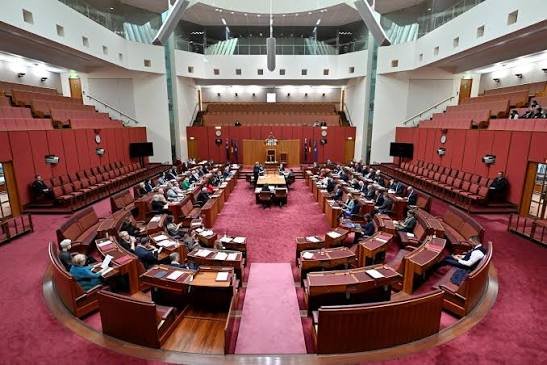
Occupied Territories Goods and Services (Import Prohibition) Bill 2026 (Cth)
Bill for an Act to prohibit the importation of goods and services from occupied territories, and for related purposes.
Our BIll forms part of the Red Lines Package.
-

Credibility in Gender-Based Violence Protection Assessment Contexts
A decision-maker’s assessment of the believability of an asylum seeker applicant is an increasingly dispositive factor in protection claims. Practitioners play a significant role in communicating credibility, approaching credibility in a trauma-informed manner, and identifying grounds of judicial review on the basis of credibility. RAP developed a set of resources for practitioners to manage credibility concerns in refugee status determination, particularly in the context of gender-based violence protection claims. These resources outline approaches and legal principles for first instance case preparation and for grounds of judicial review
-

Unreasonable Grounds: Reforming Victoria Police's Stop and Search Powers
This report critically examines the practice of "no reason searches"—those where Victoria Police are not required to justify or provide grounds for stopping and searching an individual.
The power to conduct such searches constitutes a profound infringement on personal privacy and civil liberties. Given the invasive nature of these powers, they must be subject to stringent oversight and clearly defined criteria to ensure they are used appropriately.
This report underscores the urgency of reforming these powers.
-

Police Panopticon: Zooming in on the Use of Body Worn Cameras by Victoria Police Officers
We all want to feel safe and be treated with dignity. This becomes particularly important when interacting with police officers, both, as a victim of crime or an alleged perpetrator. Therefore, we must always consider mechanisms for improving police accountability.
-

Bail reform
The new bail laws create the risk of injustice, particularly for low-level, repeat offenders. There needs to be a renewed emphasis on tackling the underlying causes of criminal offending and a clear recognition that many offenders are affected by such things as mental health disorders, unemployment, lack of education and homelessness.
Rather than locking up people charged with low-level offences minor and non-violent offences, the Victorian government should be funding programs that address the drivers of criminal offending.
-

Spent Convictions Scheme
In Victoria, the police decide what to disclose in a criminal record check. These checks go to employers, housing providers and insurance companies. With a conviction, these checks can be a roadblock to accessing all manner of life’s necessities.
-

Diversion Schemes
Though diversion programs are theoretically available to all Victorians facing their first minor criminal charge, a key barrier to being accepted into diversion is the requirement that the prosecution consent.
-

Life after Prison
Each year, approximately 6, 000 people are released from prison in Victoria. Most of them are not equipped to deal with life upon release. They often have severe mental and physical health issues, poor employment prospects and, far too frequently, no form of secure accommodation.
-

Prisonor Rehabilitation and Reintergration
Many of RAP’s recommendations made it into the Victorian Ombudsman’s report of the investigation into the rehabilitation and reintegration of prisoners.
-

Addressing discriminatory policing practices
We know that racial profiling has detrimental effects on individuals and communities impacted. We also know that policing should be based on evidence and reasonable suspicion — profiling based on race isn’t just unlawful discrimination, it’s bad policing.
-

The case for menstrual flexibility, so workplaces work for everyone
Everyone should be able to participate fully in their job, regardless of their gender or ability.
As part of that broader thinking, we’re written a report that considers the case for menstrual leave or flexibility in the workplace. We hope to overcome the taboo of menstruation and create a more safe, inclusive and productive society.
-

The situation of human rights defenders in Australia
Human rights defenders are people who stand up for human rights and hold power to account. Because of this work, they are often the targets of repression by state and corporate actors. When human rights defenders are restricted in what they can say and do, the flow on effects for our democracy are troubling.
-

Myki Fines and Confident Commuter
After working with Julian Burnside QC’s Myki Flying Squad to fight unfair myki fines, we created mykifines.org.au.
The website’s aim was to give commuters the information they need when caught without a valid ticket. -

Safety in mixed mental health wards
Eighteen percent of women in Australia have reported experiencing sexual violence. But, by some estimates, up to 45 percent of women in Victorian psychiatric wards have reported experiencing sexual assault, and 85 percent have reported feeling unsafe while receiving inpatient treatment.
-

A sexual assault counselling privilege for family law
When a victim/survivor of sexual assault seeks counselling, their counselling records can be subpoenaed in family law proceedings, for example in a parenting dispute. The production of these counselling records to court may re-traumatise victim/survivors, and make them less likely to seek counselling treatment after a sexual offence.
-

Privacy in the modern world
The right to privacy reflects the importance of human dignity, and underpins many other rights including freedom of association and expression. In the digital age though, our privacy is under constant threat.
-

Special Religious Instruction
For a long time, religious groups were allowed to provide dogmatic religious instruction to primary school students in the public system. A sustained campaign by parents, educators and academics argued that this was not compatible with our secular values. We released a report which outlined how the special religious instruction program was contrary to human rights.
-

Bridging the Departments Visa Blindspot
Our research has demonstrated that denying rights, security and stability to people seeing asylum and refugees not only significantly impacts their mental and physical health, but also puts enormous strain on the community organisations who support them.
-

States of Refuge
States of Refuge highlights how refugees and people seeking asylum across different parts of Australia must navigate unpredictable, disparate and often conflicting access to essential services. It is a disparity faced by virtue of the state or territory in which they live. It also shows how difficult it is to navigate the disparate provisions of different Australian jurisdictions.
-

Australia's Secret Dealings With Taiwain
Australia’s current offshore processing regime has become reduced to a secret deal with Taiwan to ensure that people seeking asylum on Nauru never gain entry to Australia. RAP investigated and reported on the secrecy and scandal surrounding the Australian government’s newest move in offshore processing.