
Our Team
Meet the Steering Committee
-

Kiara Wagner
Chair
Kiara (she/her) is the Chair of the RAP Steering Committee. She was formerly a member of the 2020 criminal justice team and was one of the co-authors of RAP’s report “Police Panopticon: Zooming in on the Use of Body Worn Cameras by Victoria Police Officers”. Kiara is passionate about social justice and human rights and believes RAP has an important role in preparing a new generation of social justice advocates. Kiara is especially passionate about police and prison abolition, First Nations justice, and access to justice. Outside of RAP, Kiara works to promote human rights and equality as a discrimination and sexual harassment lawyer.
-

Rochelle Francis
Immediate Past Chair and General Member
Rochelle (she/her) is a general member of the Steering Committee. She believes in upskilling the next generation of lawyers and advocates with the skills and vision to use law for social change. She joined the Steering Committee in 2019 and completed the RAP program in 2018. Outside of RAP, Rochelle works as a community lawyer.
-

Arabella Close
General Member
Arabella (she/her) is a lawyer in Victoria Legal Aid's Civil Justice program. Arabella was a member of the 2019 RAP Criminal Justice team and worked on the report into the Victorian bail system. She joined the steering committee as the Criminal Justice Ongoing Advocacy Coordinator in 2020.
-
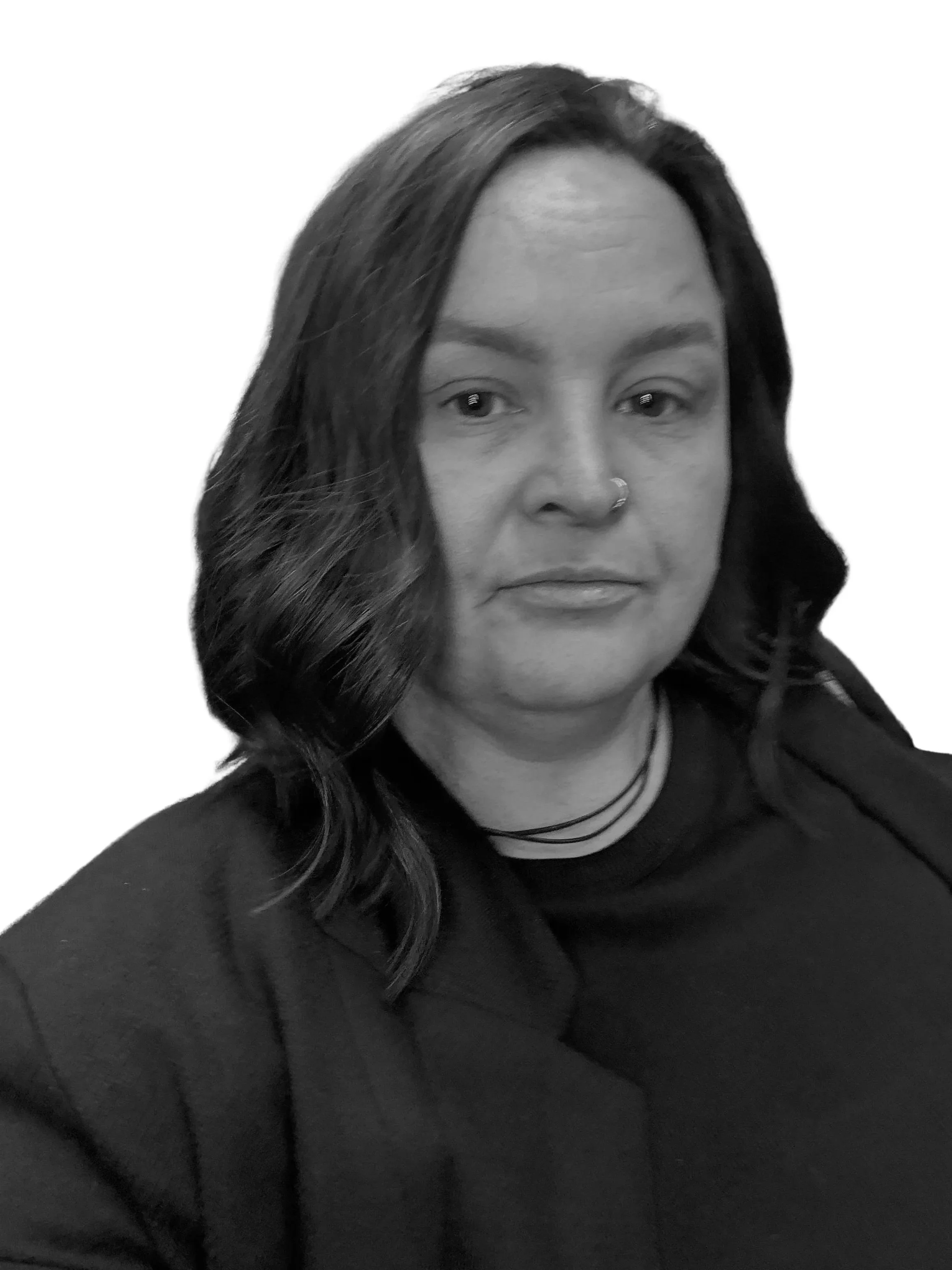
Kelly Flanagan
Kelly Flanagan is a fierce Wiradjuri woman who calls out systemic abuse and advocates for social justice and systems reform.
Kelly is a member of FIGJAM, FlatOut board member an advocate for Women and Human Rights.
Kelly amplifies First Nations voices and the rights of women impacted by incarceration and community leadership, with a strong focus on truth-telling, cultural healing and community-led change. She has contributed to research and policy initiatives, spoken at national conferences and collaborated with government, universities and community organisations.
-
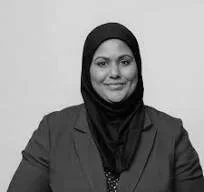
Sharlene Kuruppuarachchi
Sharlene is an accredited mediator and practising lawyer in Victoria with five years post admission experience. She currently works as a Lawyer at the Eastern Community Legal Centre providing legal advice and casework assistance in Financial Assistance Scheme cases.
-

Ben Racz
Ben (he/him) joined the Steering Committee in 2026, after completing the RAP program in 2025-26 and co-authoring the report 'Campus Control: Power, surveillance and disciplining of protest in Victoria’s universities'.
Ben is passionate about contributing to a community of people who believe in the capacity for law to advance public interests and the fulfilment of human rights. Outside of RAP, Ben has experience in migration and refugee law and public law and civil litigation more broadly.
-
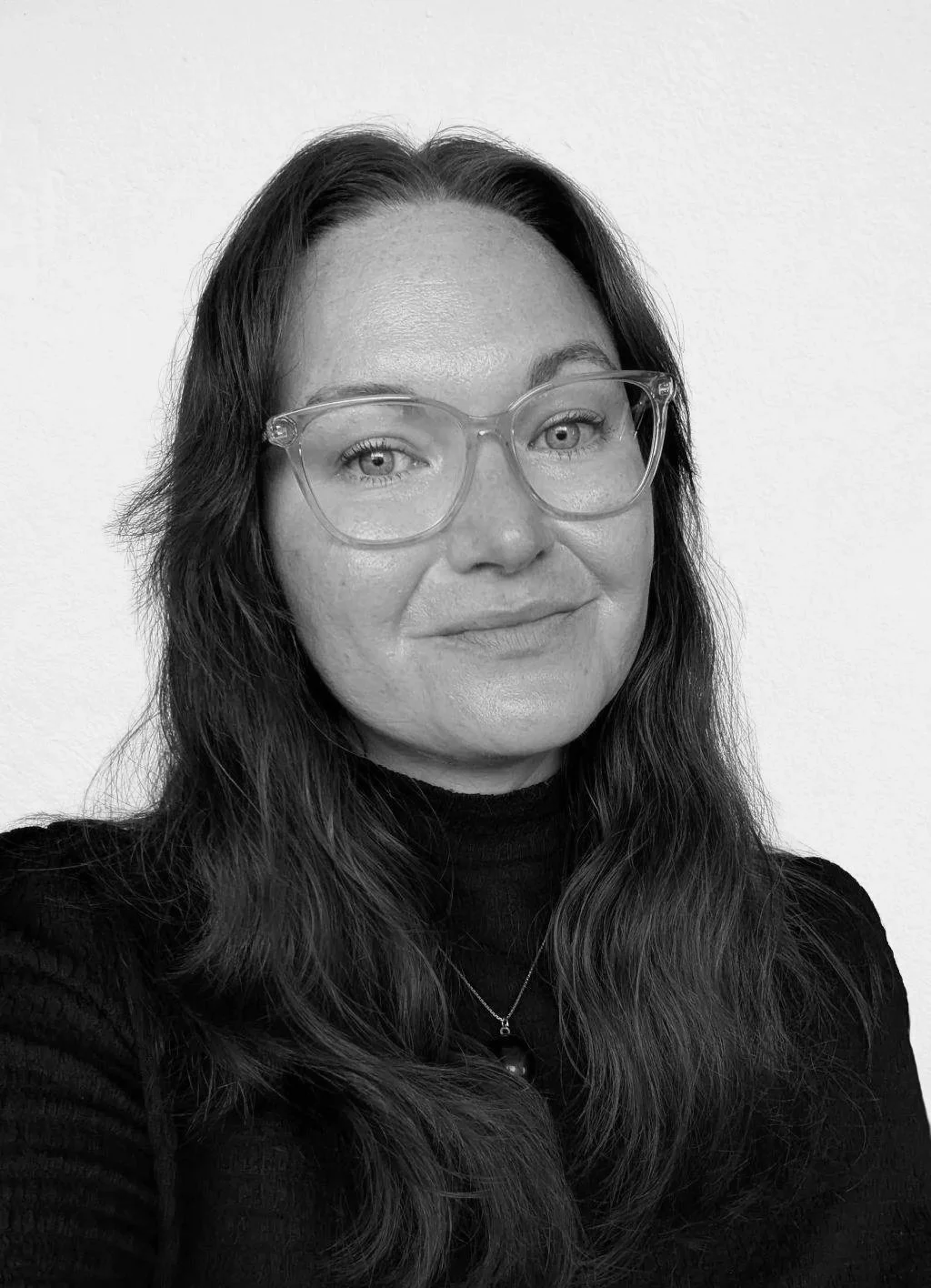
Hayley Payne
Hayley is a social and climate justice advocate with expertise in humanitarian programmes, international climate policy, and community-centred research.
She holds a Master of Global Development, specialising in climate change and disaster resilience. Hayley advocates for locally-led solutions and brings a critical lens to power dynamics, examining who sets agendas and whose priorities shape policy.
She is passionate about ensuring young people have access to opportunities to make meaningful change through community building, knowledge sharing, and tangible experience. Her experience spans civil society, government, academia, and international agencies.
-
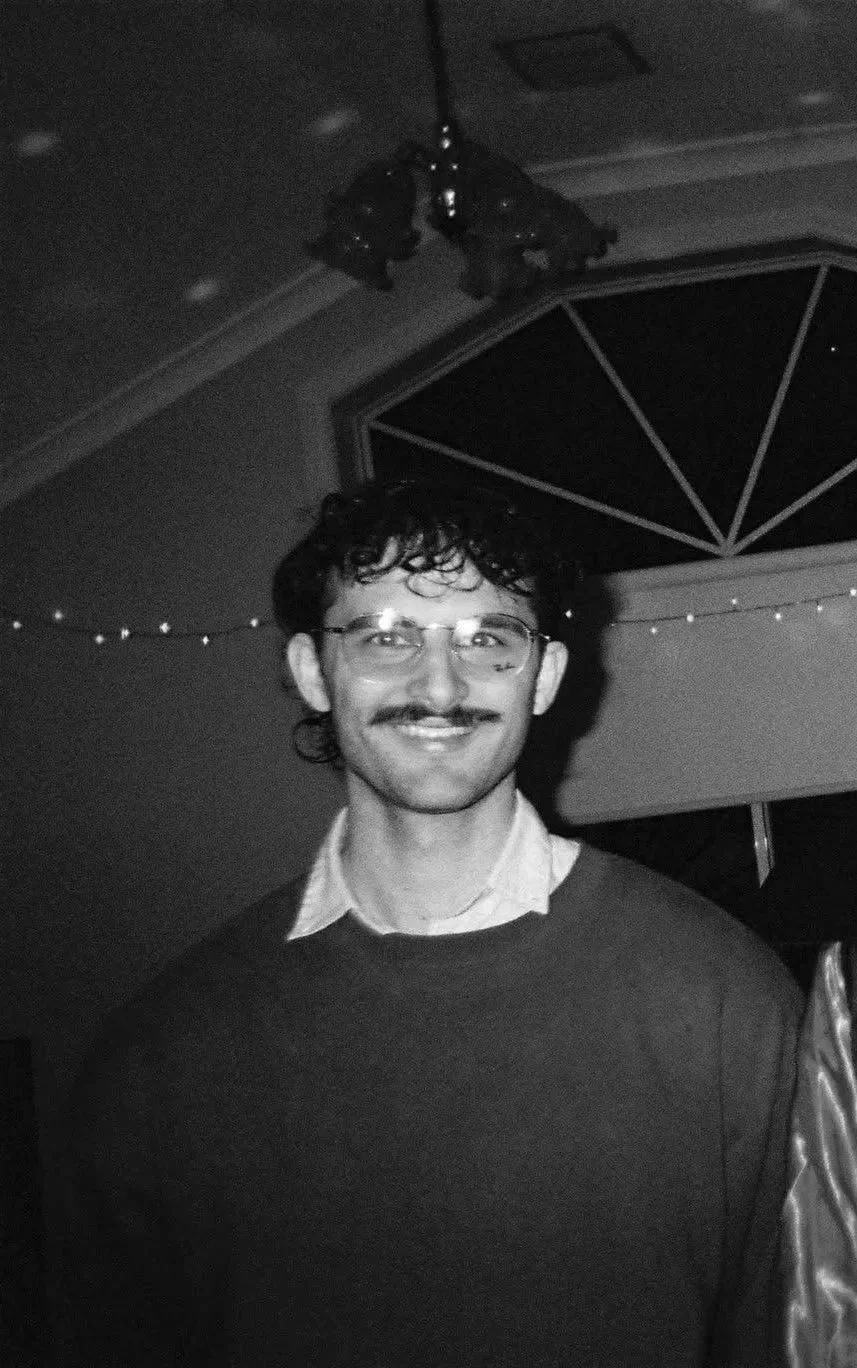
Jesse Hardy
Jesse (he/him) is a public servant with a background in economics. Jesse is passionate about human, environmental and animal rights issues and is keen to contribute in equipping fellow human rights lawyers advocates with skills to help push for policy and law reform.
-

Alisha Abate
Alisha (she/her) is a community development, social policy and strategy professional with more than 10 experience working across local government, arts and culture, community engagement, social planning, equity and inclusion, and homelessness and affordable housing. Her work has focused on how institutions, policy and public systems can better respond to the needs and experiences of communities, particularly people who are often excluded from decision-making. She is particularly interested in the relationship between policy, power and participation, and in how communities can have a more meaningful role in shaping the systems and environments that affect their lives.
Alongside her policy and community development work, Alisha is a sculptor and spatial practitioner whose research examines the social and material conditions of the built environment. Her interdisciplinary practice brings together community knowledge, architecture, social history and artistic research, with a particular interest in care, informal infrastructure, spatial justice and the everyday ways people occupy and reshape place.
Alisha is also the founder of Soft Infrastructure, an independent consultancy focused on community needs assessment, engagement, social infrastructure, strategy, equity review and evaluation. She is committed to collaborative, evidence-informed approaches to social change and to strengthening the capacity of organisations and communities to advocate for fairer and more inclusive systems.